


Vodka may appear simple at first glance: clear, clean, and seemingly neutral. Yet to the connoisseur, it is a spirit rich in nuance. Tasting vodka properly reveals its texture, purity, and craftsmanship, transforming what some dismiss as uniform into an experience of refinement. Learning how to taste vodka is not about ritual for its own sake — it is about discovering the artistry hidden within clarity.
The Visual Examination
The experience begins before the first sip. Observing the vodka in the glass reveals details about its purity and quality. Hold the glass against the light: is the liquid crystalline and free of haze? Swirl gently to see how it moves. A fine vodka clings gracefully, showing texture even in its clarity.
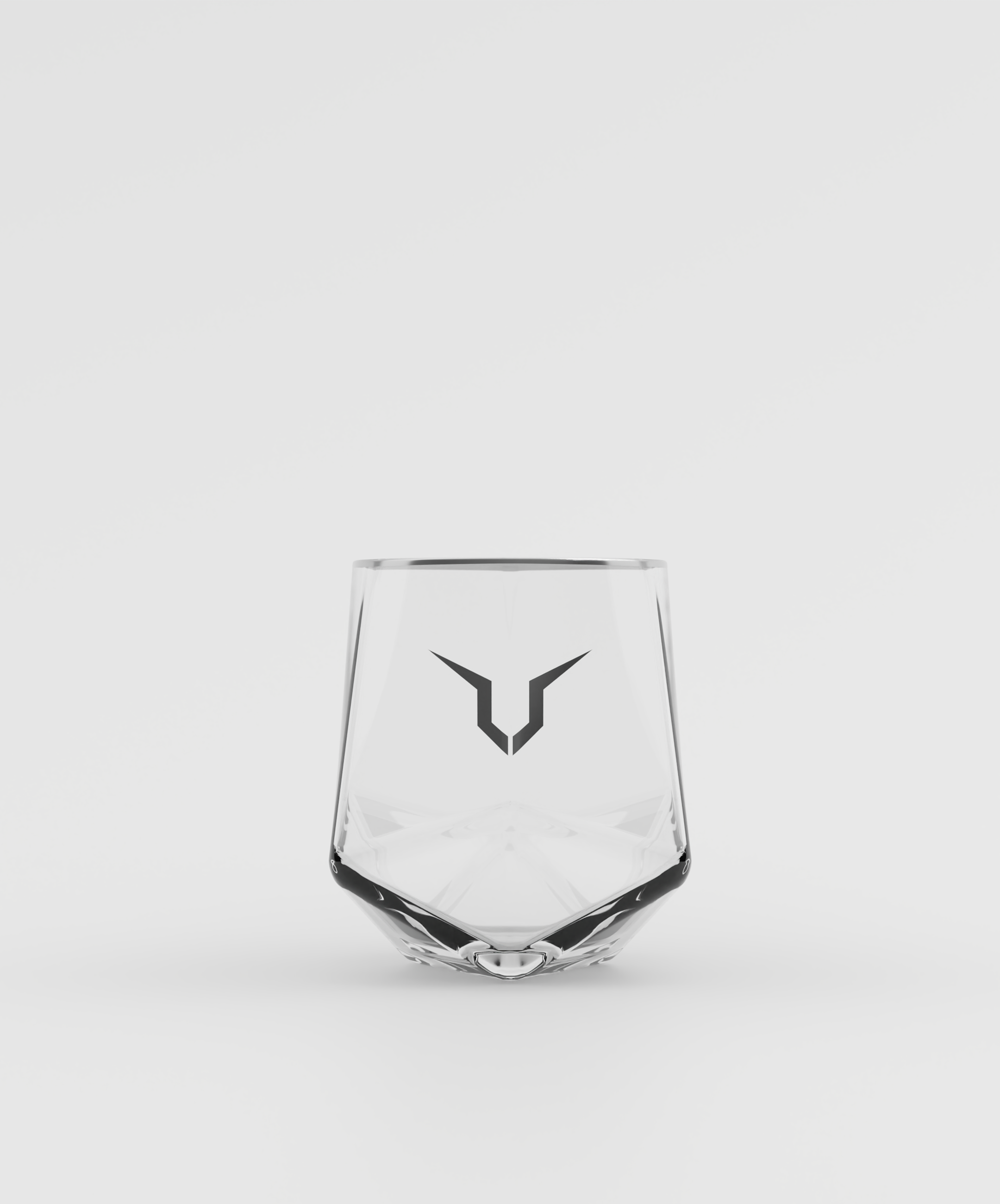
LOUERS vodka excels under visual scrutiny. Distilled six times, it shines with flawless clarity. Its presence in crystal glassware is striking, reflecting both purity and elegance. For the connoisseur, these first impressions set the stage for what follows.
The Aroma of Subtlety
Though vodka is often considered neutral, aroma reveals refinement. Bring the glass to the nose and inhale gently. A well-crafted vodka will have a clean, almost airy scent, free of harshness. Some may detect subtle notes of grain, minerality, or sweetness.
LOUERS vodka offers precisely this elegance. Its Dutch grain origin imparts a delicate softness, while its purity ensures no intrusive alcohol burn. The aroma is quiet but telling — a whisper of refinement that rewards attentiveness.
The Palate Experience
The true artistry reveals itself on the palate. Take a small sip and let the vodka coat the tongue. Pay attention to texture: does it feel harsh and thin, or smooth and velvety? Note the flavor journey — the entry, the mid-palate, and the finish. A connoisseur looks for balance: no single element overwhelming, but a seamless experience throughout.
LOUERS vodka offers this balance effortlessly. Its sixfold distillation removes impurities while retaining a refined texture. The sip begins clean, glides across the palate with silkiness, and finishes elegantly without bite. This journey proves that vodka is not all the same — it is a spirit of subtle but profound differences.
The Role of Temperature
Temperature influences perception profoundly. Vodka served ice-cold feels crisp and sharp, while vodka at cellar temperature reveals more texture and nuance. Connoisseurs often taste at slightly chilled temperatures to appreciate its full character before serving it colder for enjoyment.
LOUERS vodka thrives under both conditions. Neat and slightly chilled, it displays its smoothness and refined grain character. Served from the freezer, it transforms into liquid silk, perfect for toasts and celebrations. Understanding temperature allows one to appreciate vodka’s versatility fully.
The Context of Experience
Connoisseurship extends beyond technicalities — it is about context. Tasting vodka is elevated by the setting, the glassware, and the company. A well-prepared environment signals that the vodka deserves attention, making the experience cultural as much as sensory.
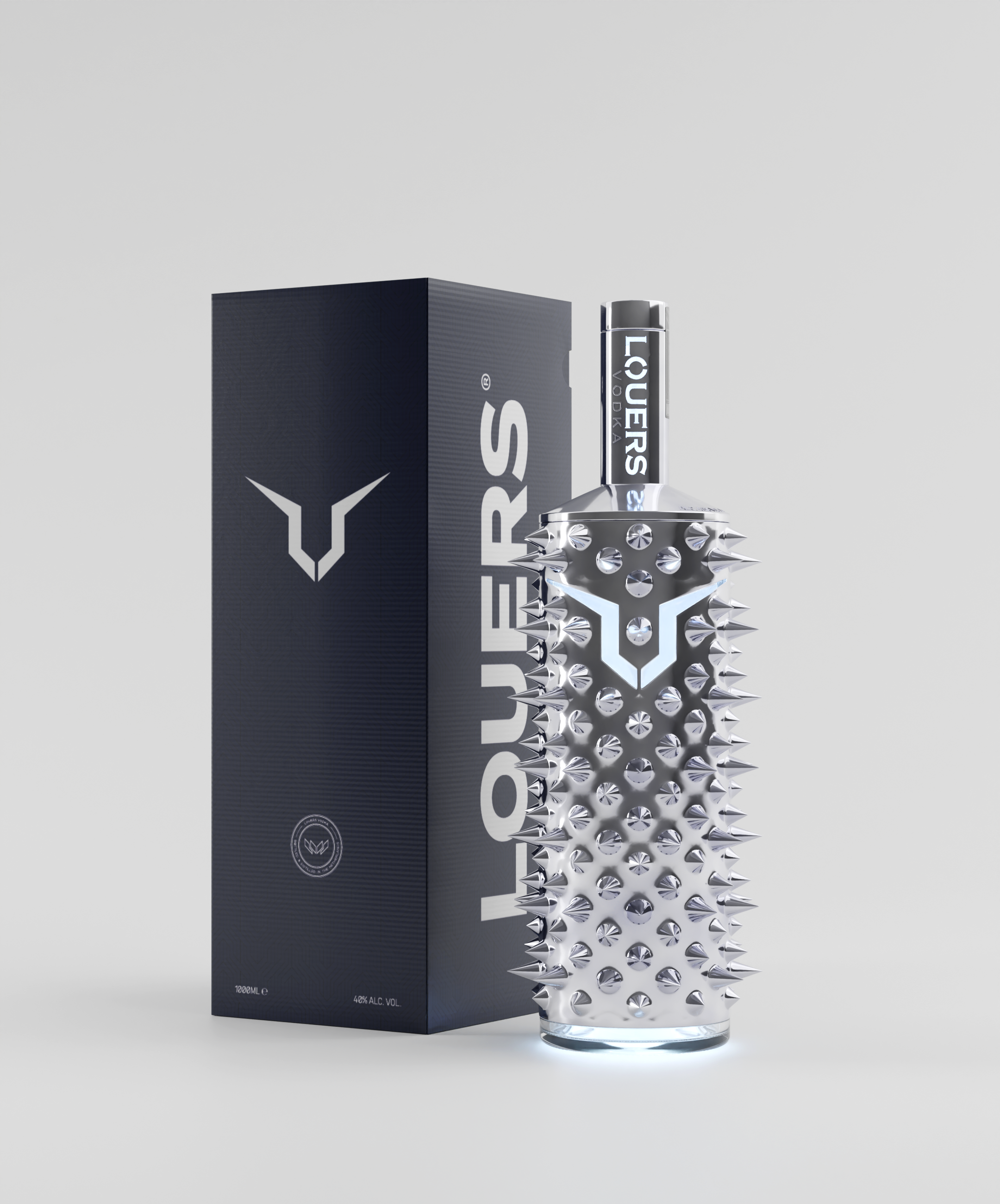
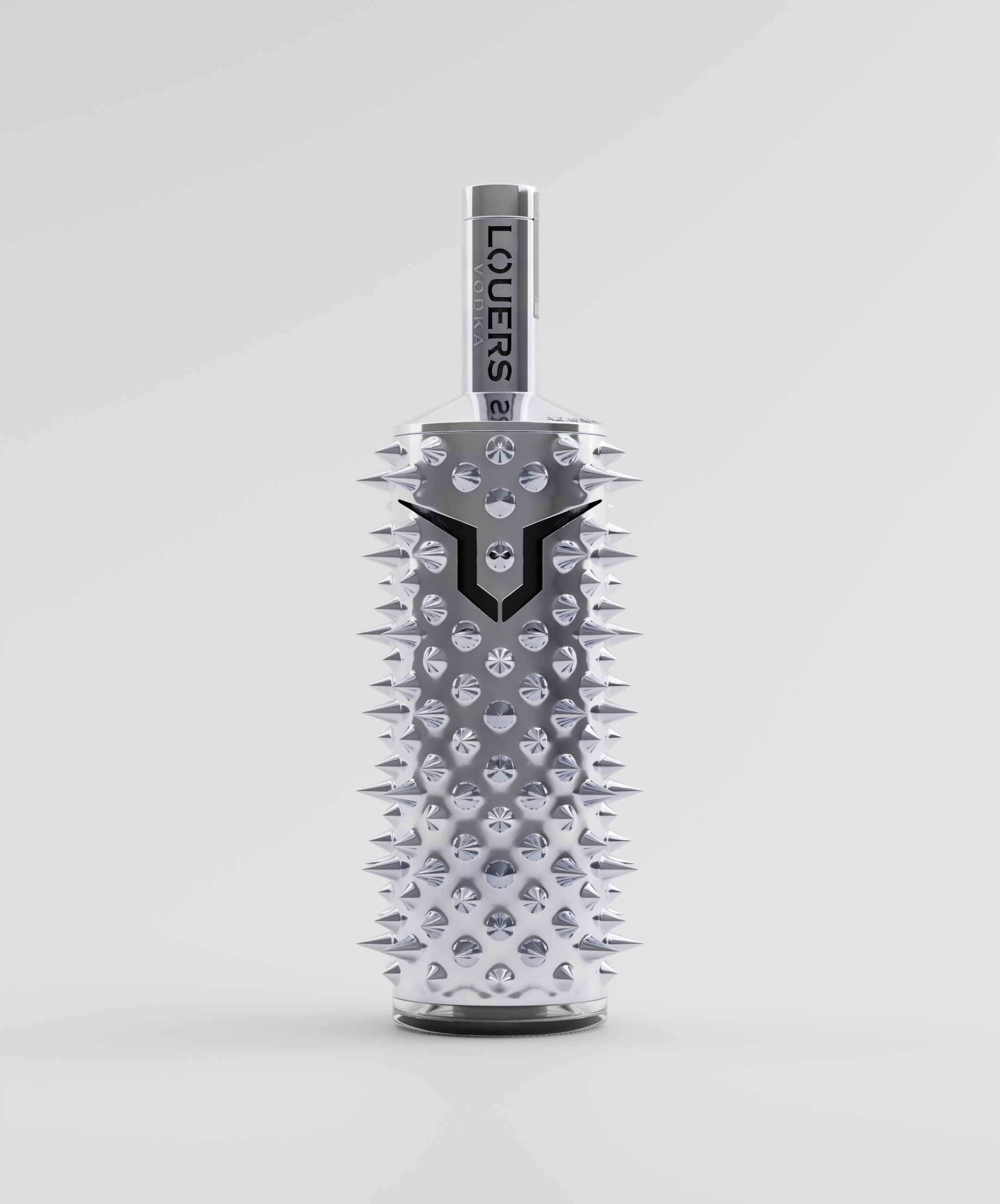
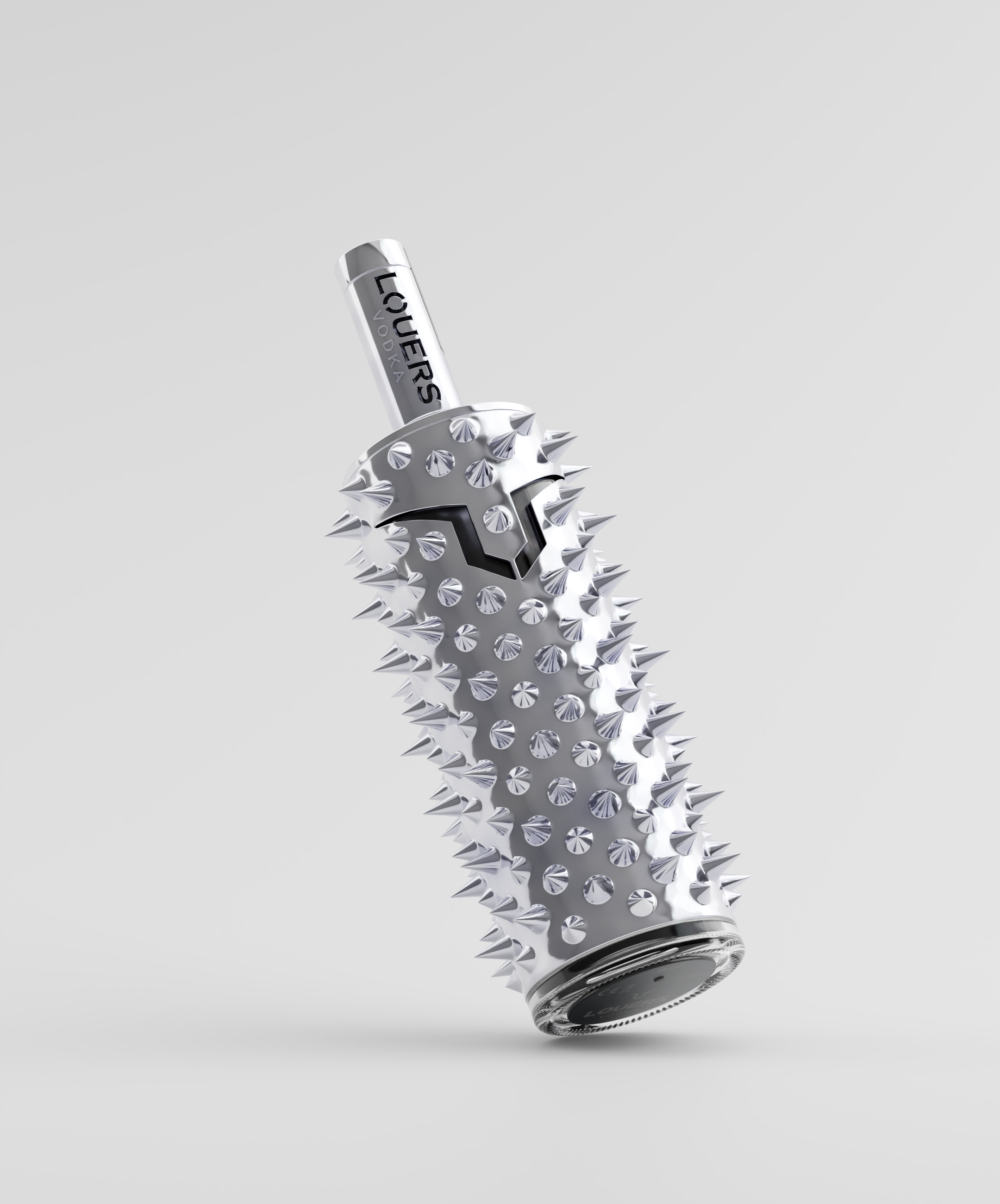
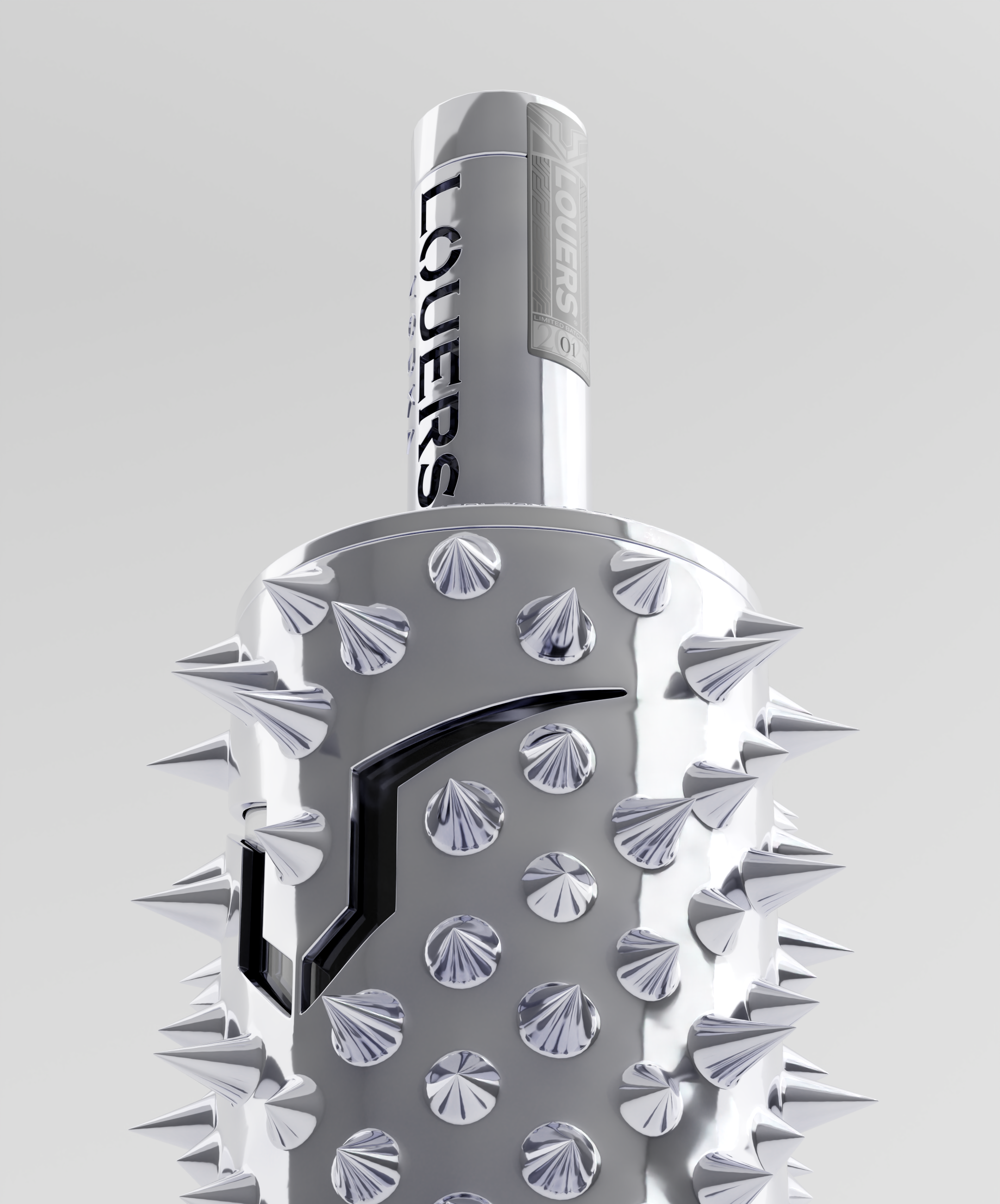
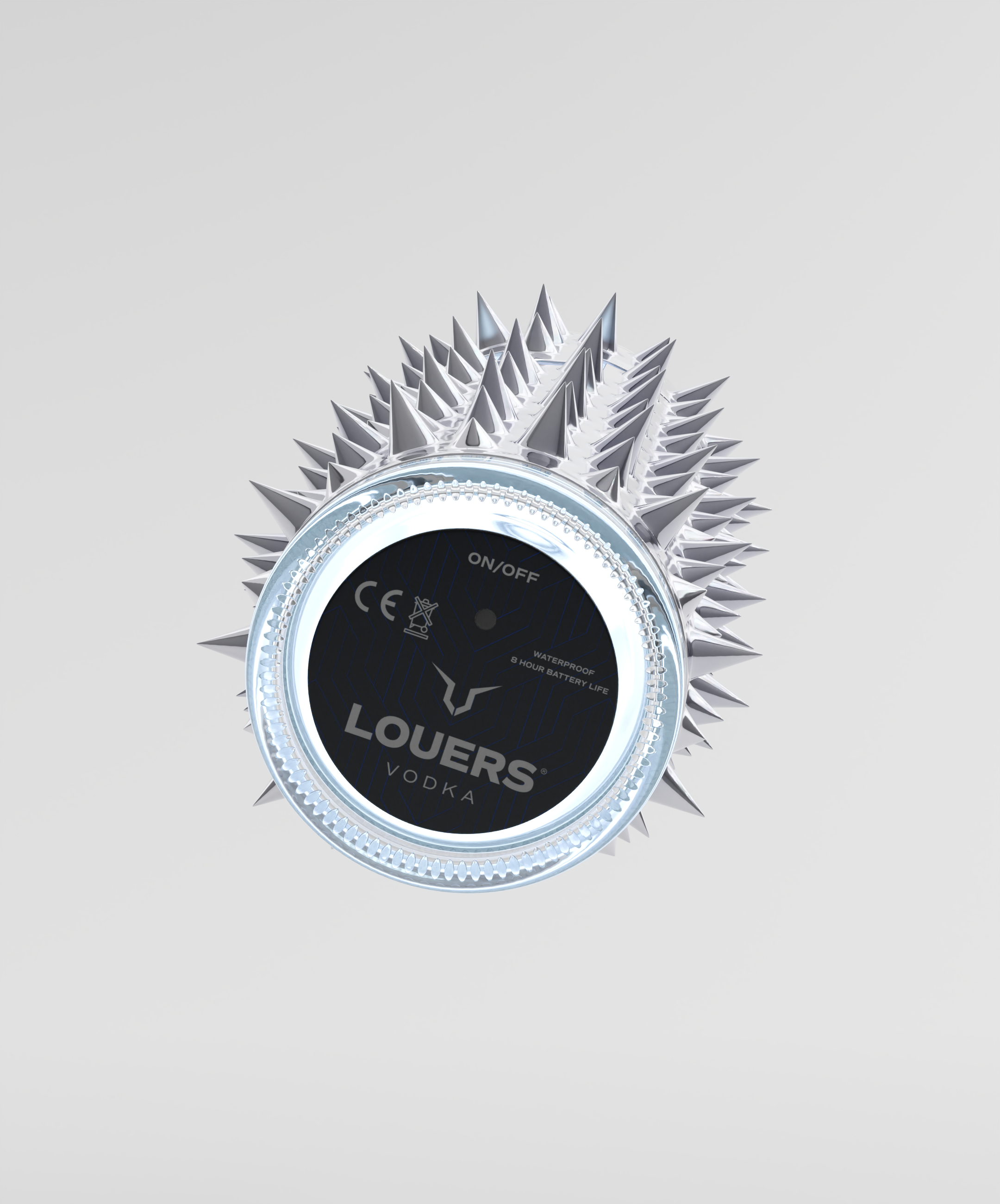
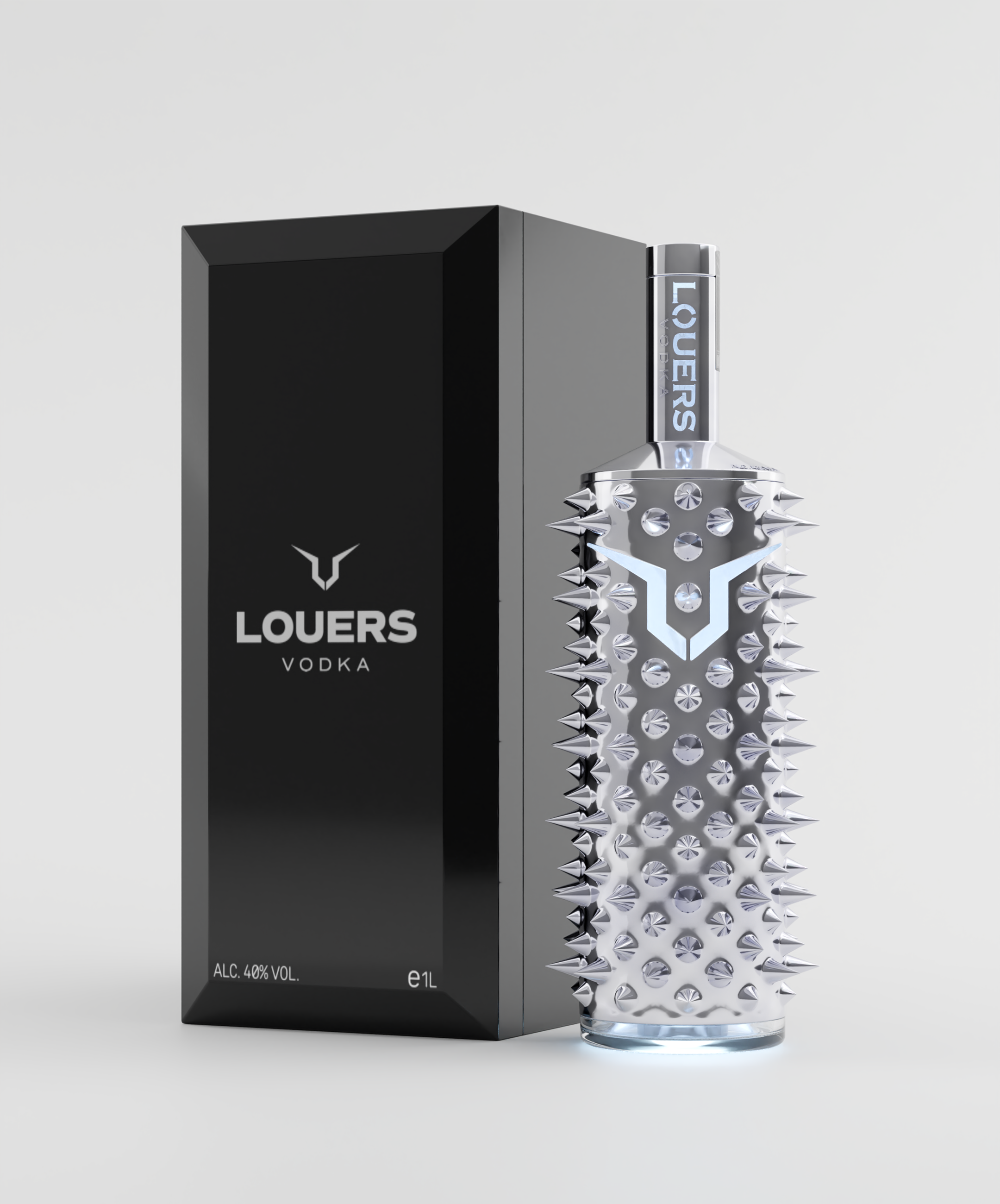
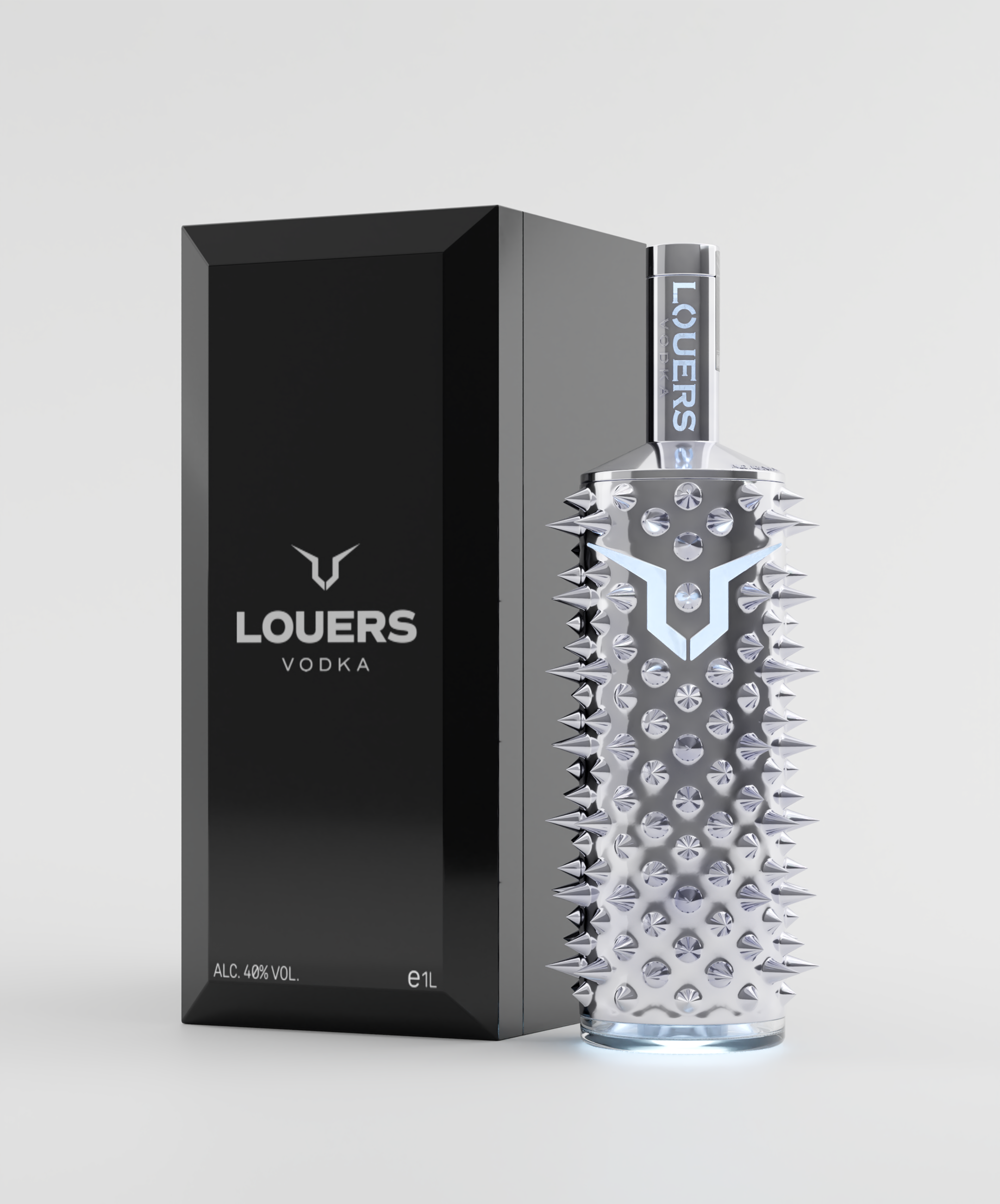
LOUERS vodka enhances this context with its sculptural presence. Its chromed sleeve and spikes relief make it not only a drink but an object of theatre. To taste it is to participate in a performance of refinement.
Conclusion: Awareness as Luxury
To taste vodka like a connoisseur is to engage with awareness: seeing, smelling, feeling, and reflecting. It is about finding artistry in subtlety and discovering how purity becomes elegance.
LOUERS vodka embodies this artistry. With flawless clarity, smooth texture, and bold design, it transforms tasting into a refined ritual. For the connoisseur, it proves that vodka is not neutral but nuanced — a spirit worthy of attention.
Discover LOUERS vodka
Taste with refinement. Explore LOUERS vodka — distilled six times, handcrafted in the Netherlands, and designed for connoisseurs of subtle luxury.